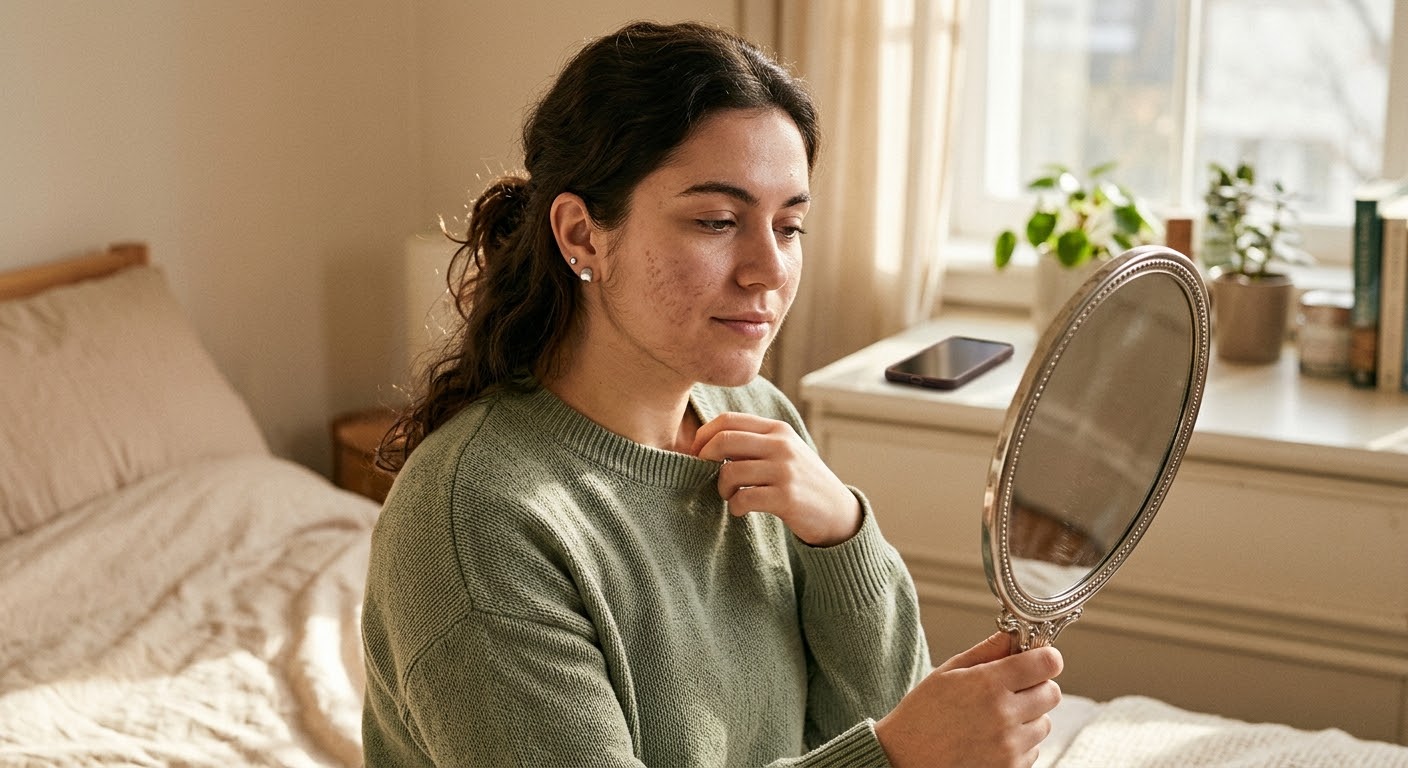
I didn't set out to build a health product.
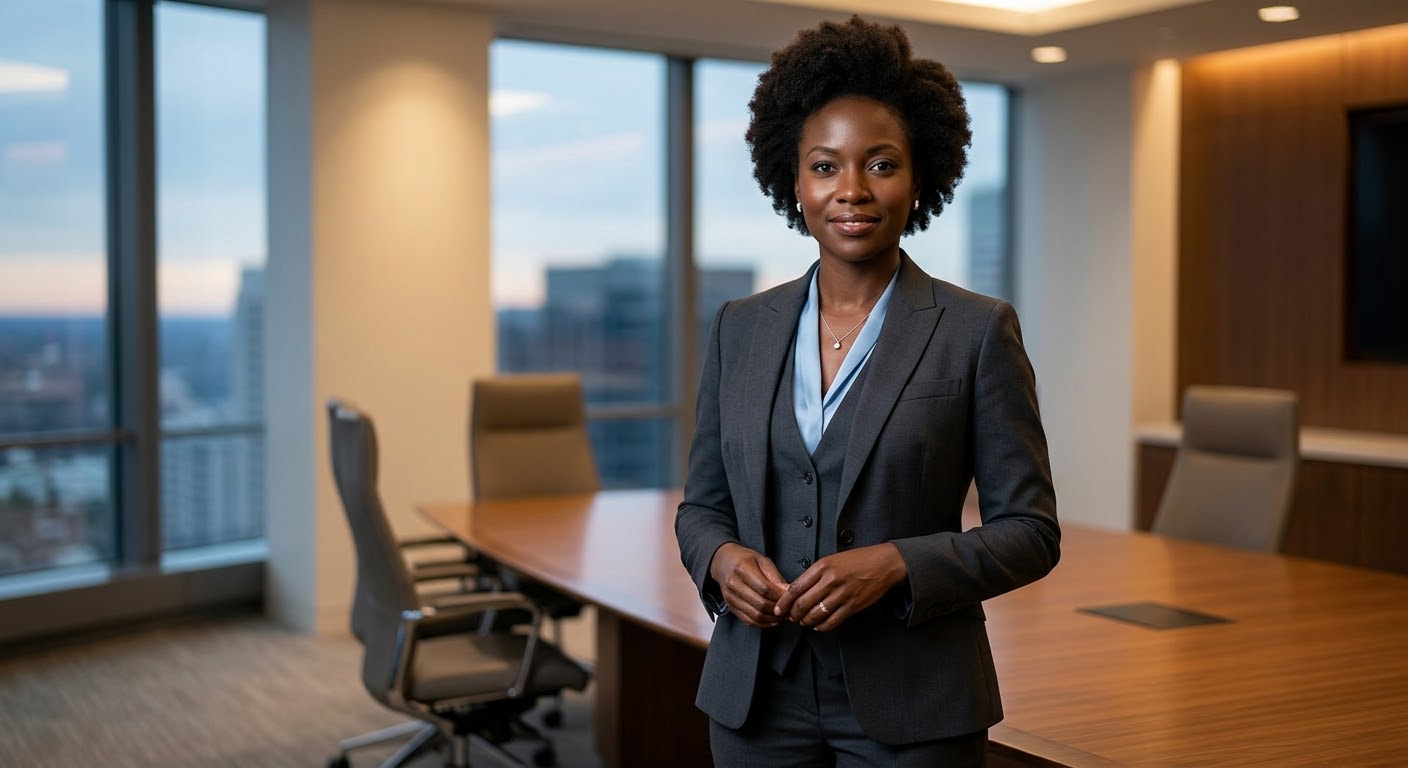
I set out to understand why the women around me were suffering in silence over things nobody would say out loud.
I grew up between Enugu and Lagos, the kind of childhood where "women's issues" were spoken about in whispers, if at all. My cousin Ngozi used to disappear into her room for two days every few months, curled up with a hot water bottle, missing school, and the family explanation was always the same: "it's just her period, it will pass." Nobody asked why hers looked so different from everyone else's.
I watched a close friend, Feyi, spend almost four years trying to understand her own body. She was smart — the kind of woman who read every article, followed every account, asked every question — and still, by her mid-twenties, she felt like she knew less about her own cycle than she had at eighteen.
It started small for her. A missed period here and there in university, which everyone chalked up to "stress from exams." Then it became a pattern — three months without a period, followed by one that lasted two weeks. Acne that showed up along her jaw and chin in her mid-twenties, long after her teenage years were supposed to be over. Weight that crept on steadily despite her eating roughly the same way she always had. Dark, coarse hair along her chin that she started shaving in secret, embarrassed to even say the word "hirsutism" out loud.
She went to a doctor in Lagos who ran a quick scan, said the word "PCOS" almost in passing, handed her a prescription for birth control pills "to regulate things," and moved on to the next patient in a packed waiting room. Ten minutes, no explanation of what PCOS actually was, no discussion of food, sleep, stress, or what any of it meant for her long-term health or her fertility. Just a prescription and a door closing behind her.
I remember sitting with her in a café in Ikeja, watching her cry — not because of the diagnosis itself, but because of how alone she felt holding it. "Amara," she said, "I have a name for what's wrong with me now, and somehow I understand it less than before."
That sentence stayed with me for years.
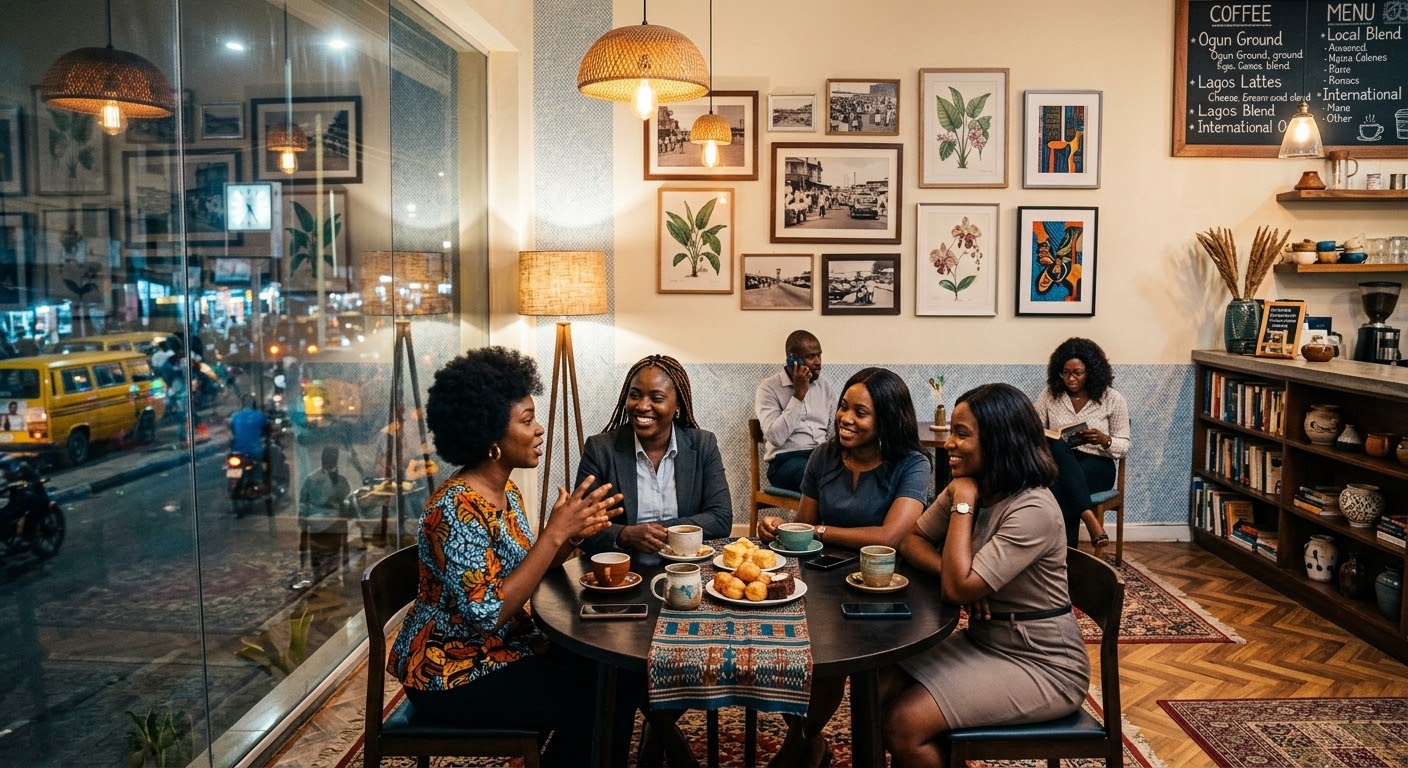
What followed for Feyi was the same pattern I'd go on to hear from woman after woman, in different cities, different backgrounds, same story:
She tried the acne route first. Expensive facial cleansers, a dermatologist-recommended cream, then a dermatologist-recommended antibiotic. Her skin improved slightly for two months, then the breakouts came back harder, because nothing had touched what was actually driving them.
She tried the tea and supplement route. A "hormone balance" tea a colleague swore by, then a cinnamon supplement from a wellness page on Instagram, then an inositol supplement she bought after seeing three different TikToks about it in one week — with no idea of dosage, no idea if it was even right for her, just hope that this would be the one that worked.
She tried the diet route. A no-carb plan for six weeks that left her dizzy at work and irritable at home, which she abandoned after a wedding weekend "ruined it," followed by a strict calorie-counting app that made her afraid of rice, a food she'd eaten her entire life without issue.
She tried the fitness route. A punishing 5am gym routine she found from a fitness influencer, five days a week, that left her more exhausted, with her cycle becoming even more irregular under the stress — something she didn't understand at the time, and neither did the influencer whose plan she'd followed.
She tried the birth control route her doctor had prescribed, which did regulate her bleeding — but the moment she came off it two years later to try for a baby, all the original symptoms returned exactly as they'd been, because the underlying pattern had never actually been addressed. It had just been paused.
By the end of it, Feyi had spent more money than she wanted to admit, across five completely different "solutions," and she was no closer to understanding her own body than the day she got her diagnosis. What broke my heart wasn't any single failure — it was watching an intelligent, resourceful woman get failed by a system that kept treating her like five separate problems instead of one connected person.
That was my turning point. Not a research paper. Not a mentor. A friend, crying in a café, holding a diagnosis she didn't understand.
I started digging — reading what I could find on PCOS from credible sources, sitting in on conversations with nutritionists and health educators, comparing what Feyi and other women were experiencing against what the actual condition involved. And the thing that became obvious very quickly was this: the information women needed to make sense of their own bodies already existed. It just wasn't organized anywhere in a way an ordinary woman — working a full day, feeding her family, living her life — could actually use.
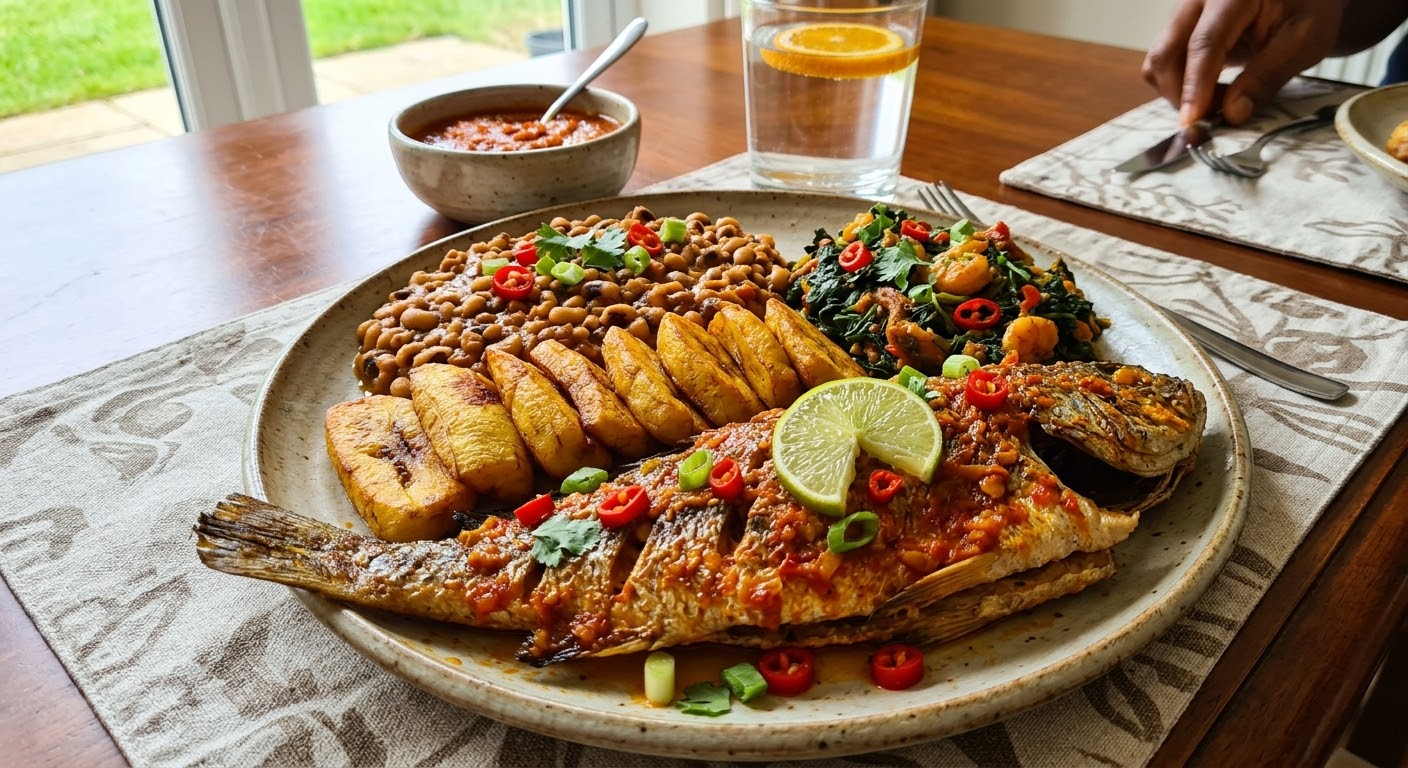
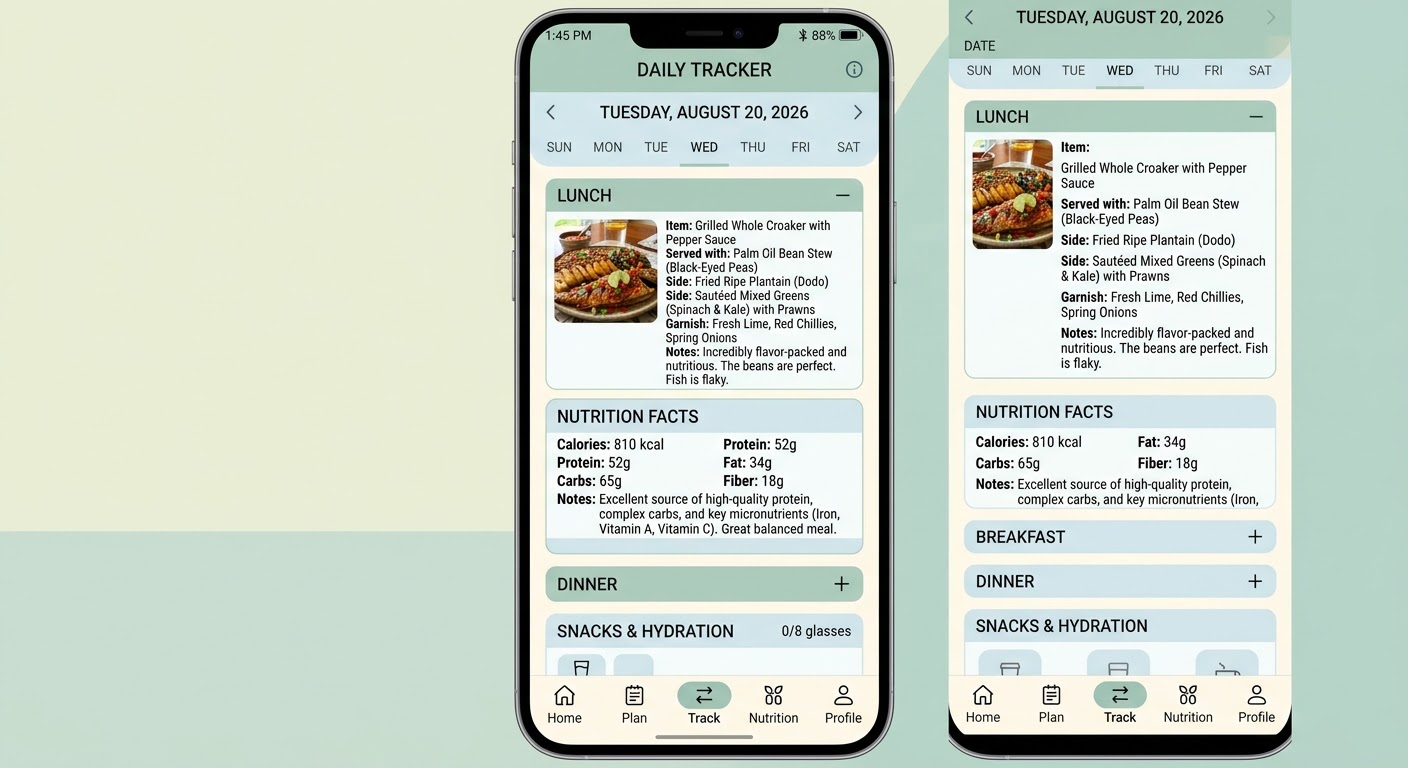
Everything was either a fifty-page medical paper written for clinicians, or a five-minute TikTok that oversimplified everything into a miracle cure. There was no middle ground. No plain-language explanation of what PCOS is and isn't. No simple way to track your own symptoms and start seeing your own patterns. No lifestyle guidance that was actually built around food we eat here — beans and plantain and rice, not quinoa and almond milk. And no honest guide for how to walk into a doctor's appointment and actually be heard.
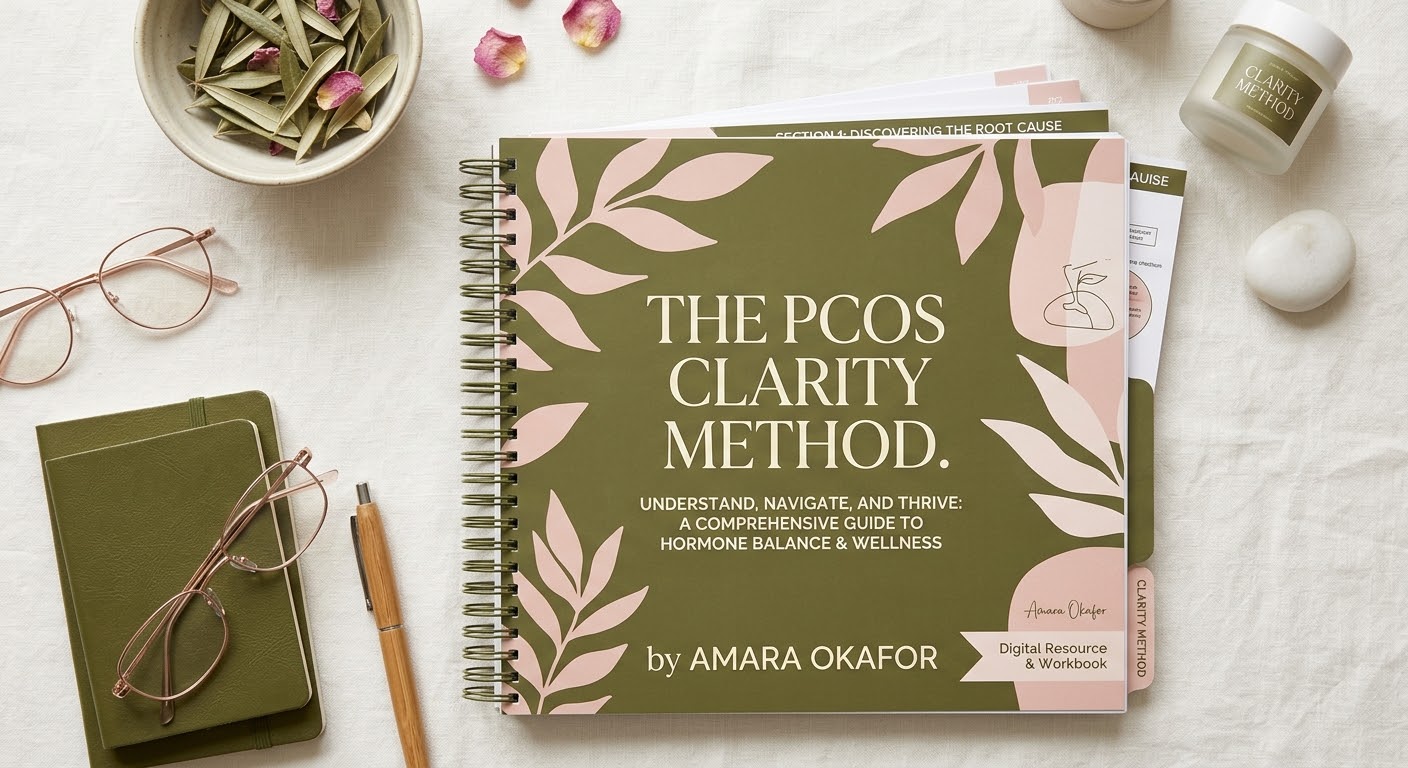
So I built the thing I wished Feyi had been handed on the day of her diagnosis. Not a miracle cure — I want to be completely honest about that, because anyone who promises to cure PCOS with a PDF is lying to you. What I built was a system for turning confusion into clarity: understanding your symptoms, tracking your patterns over time, adjusting your lifestyle in realistic, sustainable ways, and walking into your next doctor's appointment as an informed woman instead of a confused one.
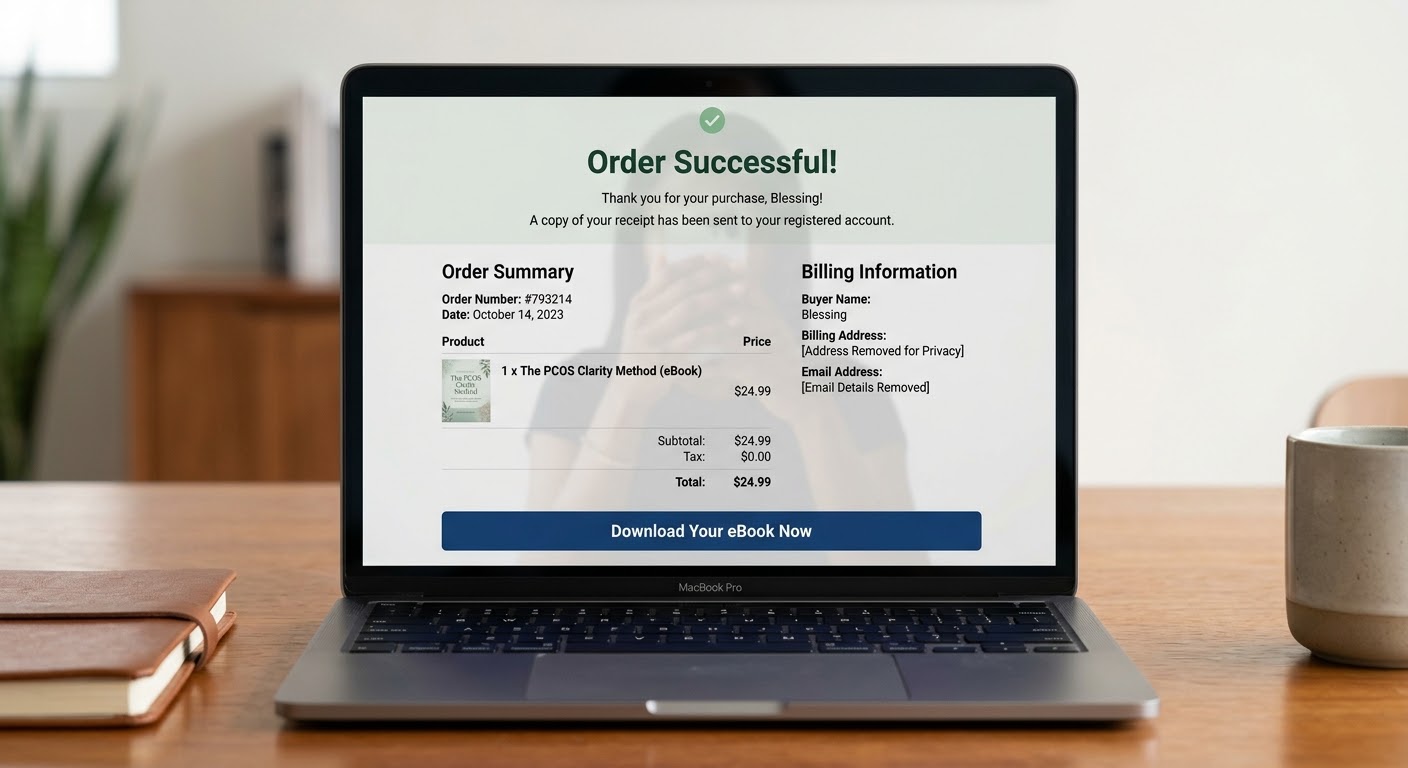
That system became The PCOS Clarity Method.